Hidden Beja: Food & History Experience
A guided food & history tour of Beja, Portugal: Roman traces, old streets, local stories and Alentejo gastronomy, over one full day with Vasco.
Full day · Small groups ·


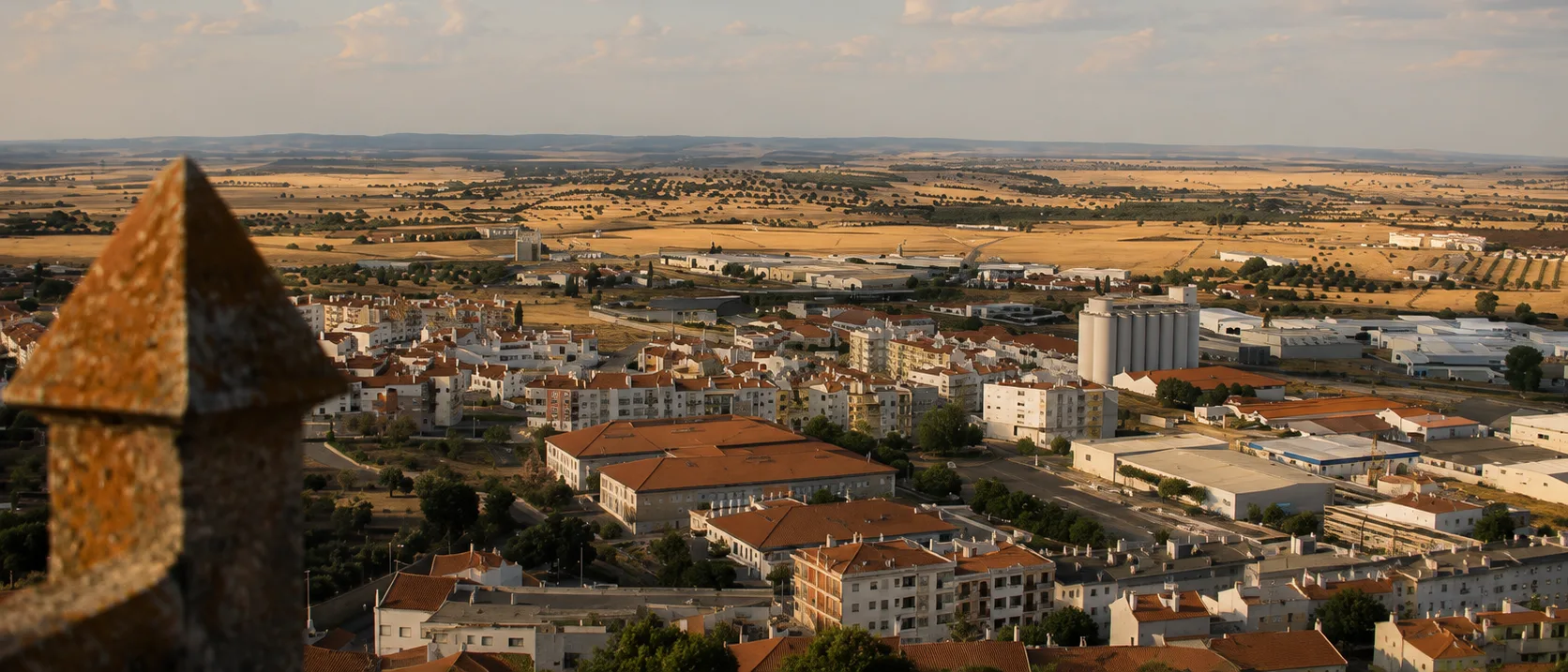
Beja and the wheat plains, from the top of the Torre de Menagem.
You won’t leave with a list of monuments ticked off. You’ll leave reading Beja between its lines, knowing how to taste the Alentejo the way locals do, and why a town most visitors pass straight through is worth a whole day.
Dukes, poets and a bread oven
Morning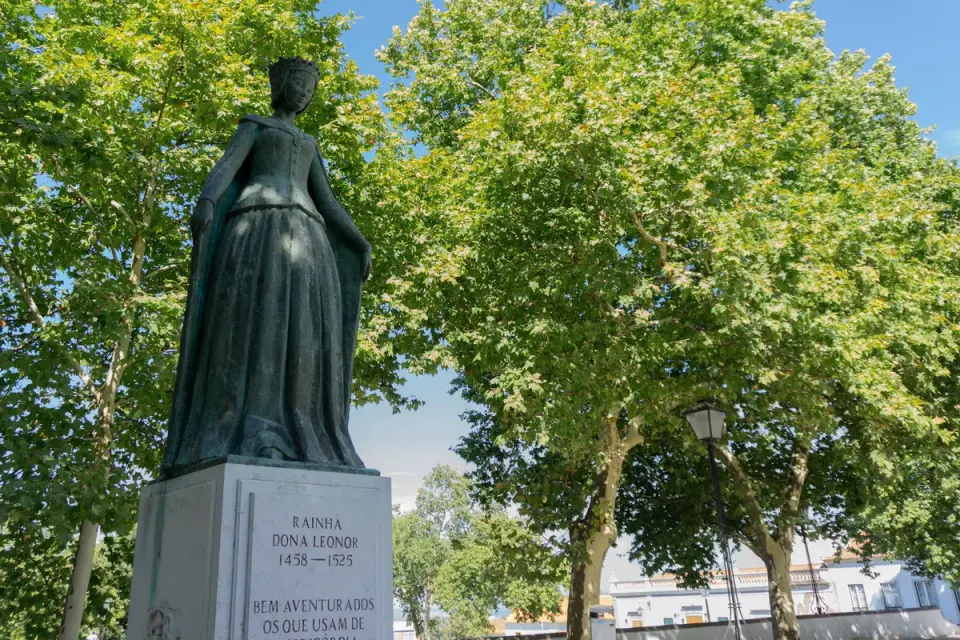
Queen Leonor of Portugal, 1458–1525. The morning’s first story.
- 01
Largo dos Duques, where the day starts
A convent with two stories, and neither of them needs the door open: the dukes of Beja who almost took the throne, and the nun whose love letters ran across Europe.
- 02
The Mouraria, where Beja speaks Arabic
Streets built for shade, and al-Mu’tamid, the poet-king born here in 1040. Even the name Beja is Arabic.
- 03
Santa Maria and the Ti Bia bread oven
The square where the people of Beja rose for the Master of Avis in 1383, and the town’s last communal oven, baking again two days a week.
The climb and the table
Midday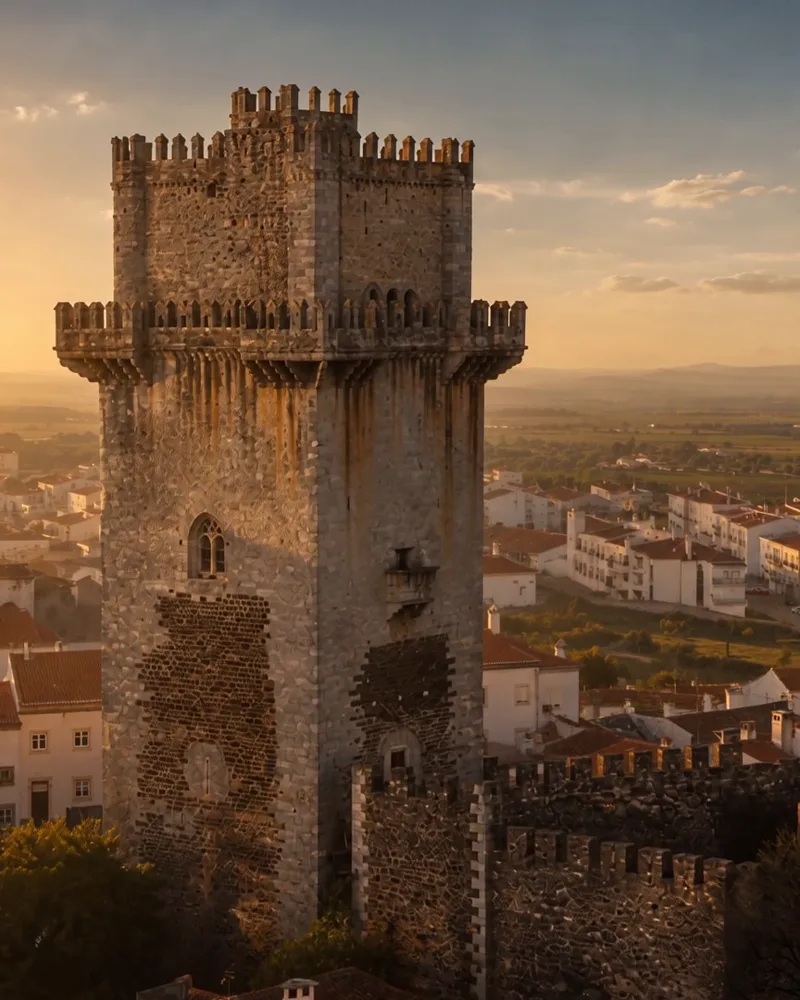
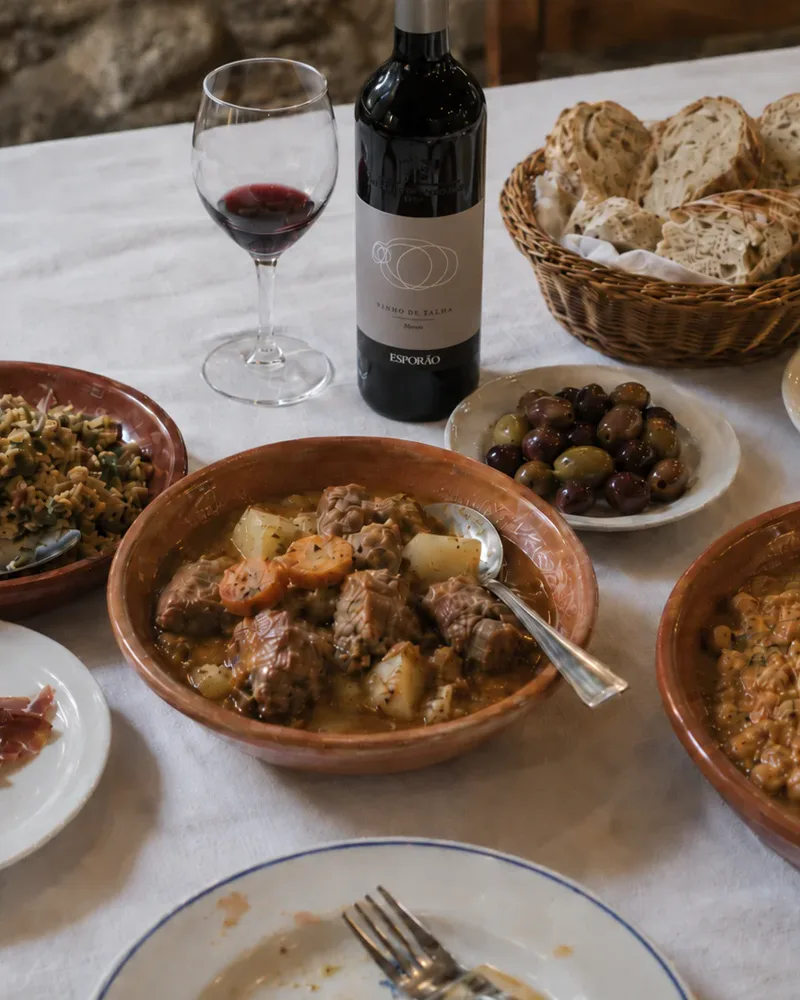
The Torre de Menagem at midday; the table after.
- 04
The castle and its keep
Roman stones in the walls, Santo Amaro’s Visigothic collection next door, and 198 marble steps up the Torre de Menagem. Entry included.
- 05
A long Alentejo lunch
Midday: black pork off the grill and migas, at an adega I picked myself, a family house that makes its own wine.
A secret under the square
Afternoon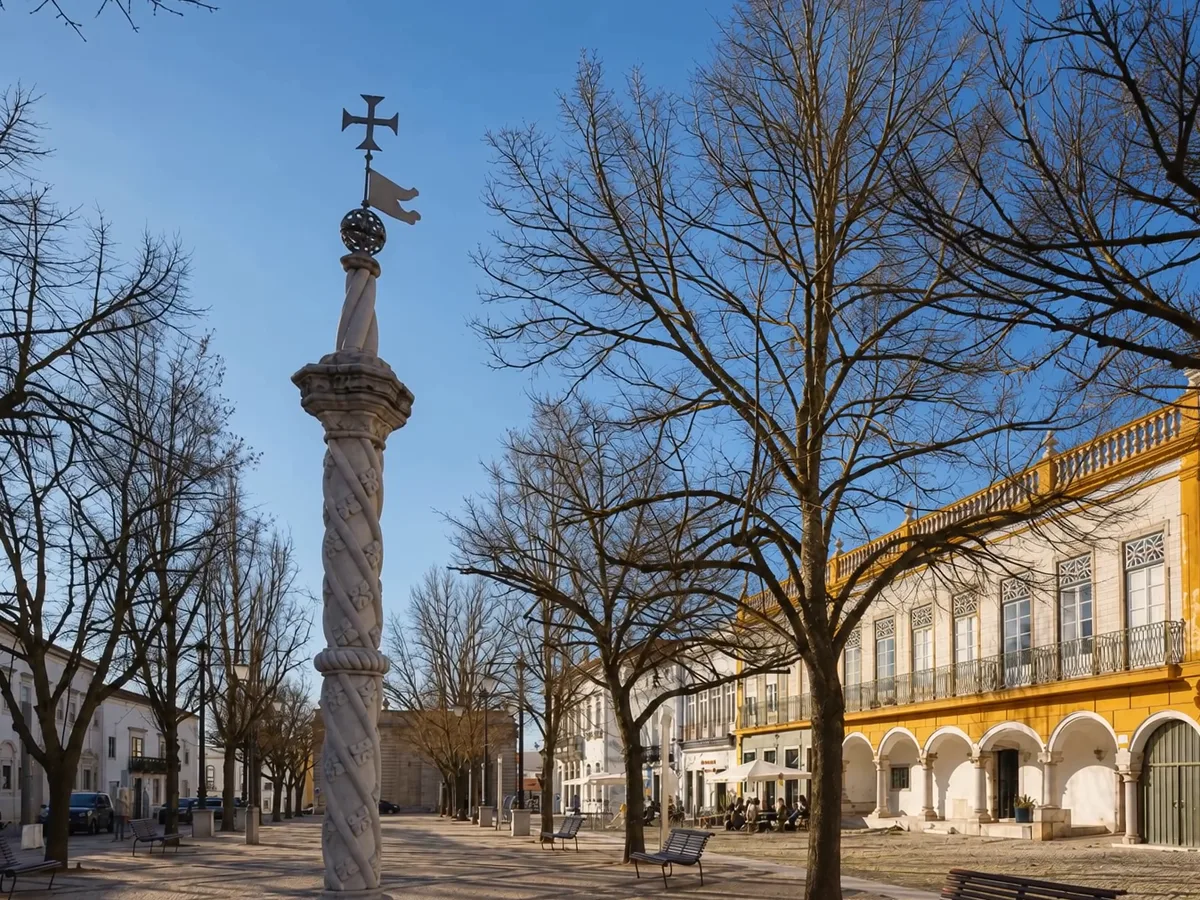
Praça da República, late afternoon.
- 06
The square, its secret, and a sweet finish
We discover the Roman temple at Praça da República and visit Maltesinhas, where the same person has been making traditional sweets for 30 years. We finish at the Convento de São Francisco.
Thirty stops between the Largo dos Duques and the Convento de São Francisco, told as one story. These six are just the shape of the day. A few interiors are currently closed; their stories get told from the street.

“We’ll meet in the historic centre, I’ll set the rhythm to your group, and show you the Beja I grew up reading the slow way.”
- The whole day with Vasco, from first stop to last story
- Roman Beja, the old Mouraria, and streets no guidebook lists
- Castle & Torre de Menagem tickets, all 198 steps of the view
- Lunch, paid separately
- Getting to Beja, about 2h from Lisbon, 1h from Évora
- Accommodation, though I’m happy to suggest where to stay
What time do we start, and how long is the day?
It’s a full day. We meet in the morning and the exact time is agreed with you once the date is set, so it fits the way you’re travelling.
Is Hidden Beja a walking tour or a food tour?
Both, and neither in the generic sense. It includes about 5 km of easy walking spread across the whole day, a stroll rather than a hike, and it is built around the table as much as the streets. Think of it as a gastronomy and history experience with storytelling, local context and selected pauses.
How do I get to Beja? Do I need a car?
You arrive by your own means: from Lisbon it’s about 2h by car (A2 → IP8), ~2h45 on a direct Rede Expressos bus or ~2h30 on the Intercidades train; from Évora, about 1h. Once in Beja, everything happens on foot. The historic centre is small and calm, with easy parking nearby.
Is lunch included?
No. The day includes a long, unhurried lunch at the adega I picked myself. Black pork off the grill, lamb, beef, and the menu changes with the day. Expect €15–25 per person with a drink, paid at the table. There is a vegan option.
What about the summer heat?
We start in the morning, keep to the shaded side of the streets, and there are café stops for water along the way. Bring water, a hat, sunscreen and comfortable shoes. Alentejo summers are serious.
Can we bring children?
Yes, children are welcome. Tell me their ages when you enquire and the pace and the stories adapt to them.
How large is the group?
Groups stay small. Departures need at least 2 participants in total; individual requests may join others depending on availability. Couples and solo travellers are absolutely welcome, and if you’re a larger party, tell me how many of you there are and I’ll tell you what works.
What if I need to cancel?
You can cancel free of charge up to 24 hours before the departure by WhatsApp or email.
Is Beja worth visiting?
Yes. Beja is the quiet capital of the Baixo Alentejo: a Roman temple at the main square, a keep you can climb, streets laid out in Moorish times and a table that still cooks for locals rather than for visitors. It is smaller and calmer than Évora, and that is the point of giving it a whole day.
Can I visit Beja as a day trip, or on a weekend in the Alentejo?
Yes. From Lisbon, Évora or the Algarve, Beja works as a day trip: arrive in the morning, spend the day with us on foot, and leave after the convent sweets. On a weekend in the Alentejo, Beja is a good base for Mértola, Serpa and the Guadiana.